NGO Gender Coordination Network (NGO GCN) has expressed fear that the 50:50 Campaign target to increase the number of women in elected positions is under threat due to funding challenges.
The network has also cited political parties’ lack of commitment to empower women as another factor.

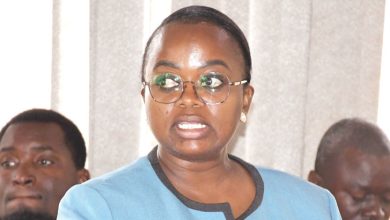
NGO-GCN chairperson Maggie Kathewera-Banda, whose network is one of the major players in the 50-50 Campaign, said in an interview that the situation defeats the targets of the National Strategy on Political Empowerment of Women that government launched last year to have at least 35 percent of women win parliamentary and local government seats in the September 16 2025 General Election and 50 percent in 2030.
She said the 50:50 Campaign needed $5 million (about K9 billion) to effectively carry out the campaign, but with less than five months to the September elections, they have sourced $150 000 (about K264 million).
Said Kathewera-Banda: “So far, we haven’t reached the target [resources] because fundraising for elections is not automatic. We are grateful for the support that we have been given and we will make use of it.
“The resources that have been raised will confine us to carrying out activities in four districts, but the plan was to conduct the campaign in as many districts as possible across the country and reach as many women as possible.”
She said besides the inadequate resources, the campaign is also lacking support from political parties despite their commitment to promote women empowerment.
“Women are facing challenges in the primary elections, including lack of resources to conduct campaigns and pay fees, intimidation and other disruptions. If such challenges are not addressed, there will be very few contesting in the coming elections,” observed Kathewera-Banda.
She said the network was not impressed with how women are performing in various political parties, including the governing Malawi Congress Party (MCP) primaries.
On efforts to increase the reach of the campaign amid resource constraints, she said the network is banking on the presence of other partners in some districts who are promoting women empowerment.
When contacted, MCP spokesperson Jessie Kabwila declined to comment on how women were fairing in the party’s primaries, saying the elections are still underway.
In a separate interview, UTM Party publicity secretary Felix Njawala said the party has put in place measures to motivate women to participate in the primary elections.
He said UTM Party has, among others, halved nomination fees for women and youth aspirants.
Democratic Progressive Party spokesperson Shadric Namalomba referred The Nation to director of elections Jean Mathanga who was, however, not available for comment.
Meanwhile, political commentators have said without proper funding, it is hard to achieve the 50-50 Campaign target.
In an interview yesterday, governance expert Moses Mkandawire said there is need for resources to reach as many voters as possible with messages for women empowerment and change people’s attitudes towards women politicians, including leaders of political parties.
Political scientist George Chaima said resources are a major setback when it comes to women participating in politics.
Malawi has faced a challenge of under representation of women in politics, in particular parliamentary seats and local assembly positions.
The 2009 elections saw 42 women winning parliamentary seats, representing 22 percent of the 193-member House. There was a reduction in number of female MPs in 2014 as only 32 made it, representing 16 percent. In the 2019 elections, 45 women were elected as legislators, representing 23 percent of seats.